
Traditional Chinese Medicine Acupuncture
Contact me today if you are interested in having acupuncture treatment or have any questions. I aim to respond to everyone the same day.
You can contact me by email, text message or Whatsapp.
MobileAcupunctureService
Traditional Chinese Medicine acupuncture (TCM) - the science
In contrast to modern biomedicine, TCM is based on a deep understanding of how we humans function as a whole – our bodies, lifestyles and environment. Science confirms that everything that exists – including our body – is fundamentally made of energy. TCM acupuncturists know how energy flows through channels to every cell in the body in a very precise way. They can influence this flow of energy to treat illness and improve health. This includes psychological health as the mind is intimately connected to the body.
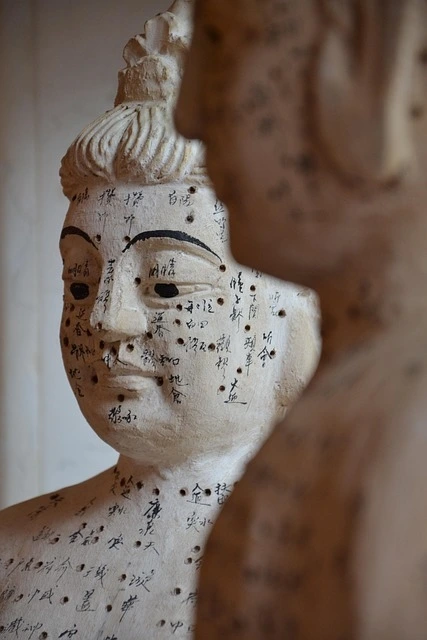
Health and a feeling of well-being rely on the natural, balanced flow of energy throughout the whole body. Any disruption to this flow – whether caused by injury, stress, diet, etc – can be treated by stimulating points along channels near the surface of the body. These acupuncture points and channels were discovered over centuries of research. They are usually, though not always, invisible to the eye.
TCM acupuncture - the practice
The human body has a remarkable ability for self-regulation and self-healing. It does this by continually making adjustments to its internal processes every second of life (homeostasis). These processes are reinforced by the stimulation of channels and points by TCM therapies such as acupuncture, acupressure, cupping and moxibustion.
Before treatment, a traditional acupuncturist asks about the client’s health history, checks their pulse, examines the site of symptoms, and looks at their tongue. Every treatment plan is individualised and simultaneously addresses the whole body and any symptoms.
In Traditional Chinese Medicine acupuncture, practitioners often recommend lifestyle and dietary changes to clients. Often, such changes are necessary for a client to achieve their desired health goals.
How long is an acupuncture treatment session and how much does it cost?
The first treatment session takes between 60 and 90 minutes. This allows time for a comprehensive, holistic assessment before treatment begins. Subsequent sessions take around 60 minutes.
The fee for each acupuncture session starts from £50, depending on your geographical location.
Most private health insurance policies will cover the cost of acupuncture treatment (check your policy, if you have one).
Is acupuncture safe?
Yes. Traditional acupuncture is much safer than most conventional medical interventions. Side-effects are uncommon; feeling a little drowsy or dizzy after treatment can happen but wears off quickly. Itching or bruising at the site of needling can occur but is rare. Acupuncture needles are pre-sterilised, used once and then disposed of.
A few people may be unable to have acupuncture because of, for example, a severe needle-phobia or a metal allergy. A TCM acupuncturist can however apply other methods of treatment such as acupressure, cupping or moxibustion (see above).
Is acupuncture painful?
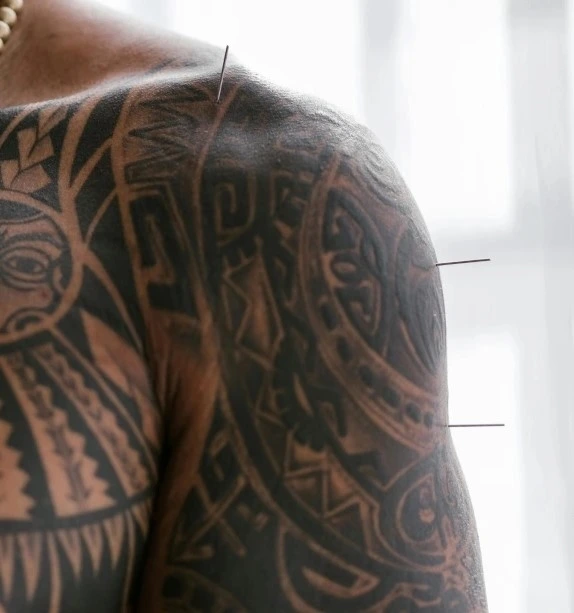
Acupuncture needles are very thin, approximately twice the thickness of a human hair, and you may not feel anything when a needle is inserted. A traditional acupuncturist will however often gently manipulate a needle after it has been inserted in order for it to have a good therapeutic effect. This might feel like a small pinch, a dull ache or tingling sensation. Overall, clients typically report feeling more relaxed during and after a treatment.
Can I continue taking medication while having acupuncture?
Yes, clients are able to continue taking medicines whilst undergoing acupuncture. And a TCM acupuncturist will always ask about client’s medicines before starting treatment. Clients often feel ready to reduce some of their medications as a result of acupuncture treatment – they are strongly advised to discuss this first with their prescriber.
Can I have acupuncture if I don't have a health problem?
Absolutely! Having any TCM therapy is an effective health tonic. After having acupuncture treatment, many clients return periodically for a maintenance treatment, to stay well and reduce the risk of their problem recurring.
Is there anything I need to do before or after having acupuncture?
Ideally, do not do any strenuous exercise, eat a large meal, or consume any alcohol or caffeine for 1-2 hours before treatment. Also, go for a wee!
Wear loose comfortable clothing for the treatment as acupuncture needles are most commonly used on the arms, legs and torso. Your acupuncturist will need easy access to these areas. It will also make treatment a more relaxing experience for you. You will only need to expose those parts of the body that are absolutely necessary for treatment. If you would feel more comfortable having a friend or family member present during the treatment, that is absolutely fine.
After treatment, drinking a large glass of water is useful to assist the detoxifying effect of acupuncture.
How many acupuncture sessions will I need?
Most clients require a number of treatments, usually once a week, but this depends on several factors including:
The reason for having acupuncture. A long-term or complex health condition will usually (although not always) require more treatments than an acute condition.
The client’s general state of health. Someone with a healthy lifestyle, including a nutritious diet, is likely to respond to treatment more quickly.
The Point2Point approach is to take one session at a time and to ask for feedback after each treatment session. If a further treatment session is likely to be of benefit then the client will be advised accordingly and allowed to make an informed decision. Or perhaps a client may be advised to discontinue acupuncture and recommended a different therapy instead, if that is what is better for them. Either way, client choice and health needs always come first.
Can I get Traditional Chinese Medicine acupuncture on the NHS?
Other health professionals such as GPs, physiotherapists, nurses etc. are not likely to be educated in TCM acupuncture, which is degree-level clinical training. They are more likely to hold a qualification in ‘medical acupuncture’ which usually requires only two days practical training.
Client testimonials
Amazing. After one cupping treatment from Simon, there was a noticeable improvement.
Sue from Wiltshire
Treated for back pain
I loved having acupuncture, it didn’t hurt and it worked for me.
Barry from Blunsdon
Treated for flu symptoms
During chemotherapy, Simon treated my low blood count with moxa, so thankfully I did not need a transfusion.
Tori from London
Treated for cancer support